Earlier this year, the Swine Health Advisory Committee identified five focus areas to help guide the National Swine Health Strategy. Since then, committee members and industry partners have continued moving those priorities forward. We asked five committee members to share what they’ve seen, where progress is being made and what still needs attention.
Industry Engagement
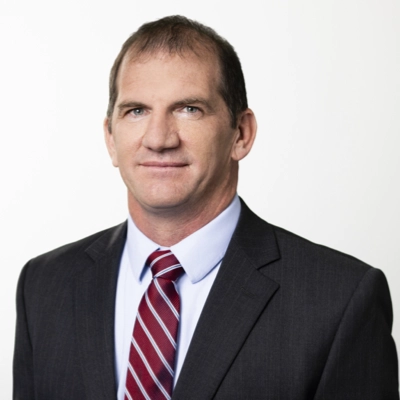
Scott Hays, Missouri State Pork Association Executive Director
What will it take to build industry-wide support for the National Swine Health Strategy and turn that support into action?
Excitement for the National Swine Health Strategy has really grown in the last six months. The producers who have been talking about the need for a national strategy for the last three years are excited to see it moving forward, and producers who haven’t been engaged in the conversation are excited to hear the industry is trying to make improvements in the herd health space.
I see enthusiasm for an industry-wide biocontainment conversation and improvements. Producers are ready for the rest of the industry to do their part in this space.
State organizations can continue to get the word out about the program. As we move into the implementation phase, state associations will be key to coordinating activities between all the players in the industry.
For example, we are having conversations with the diagnostic lab at the university so they can be ready for the extra testing the elimination programs will require. That is one example of how state associations can be thinking ahead and making sure the next piece is ready in time.
PEDV Elimination
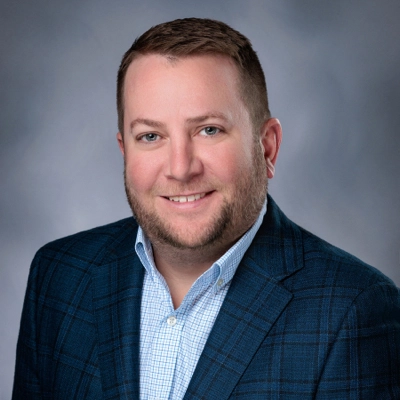
Brock Pillen, Nebraska Producer
What will it take for the pork industry to make meaningful progress toward PEDV elimination?
PEDV elimination matters to producers because it is a costly virus that can be spread easily if the proper precautions aren’t taken. The industry has been dealing with it sporadically for more than 12 years, and it is possible to control and eliminate if the industry works together to do it.
The biggest opportunity to make progress against PEDV is for the industry to begin washing all trailers transporting pigs, regardless of the known health status of the pigs on the trailer.
Next steps include testing sites on a regular basis to understand health status and area spread, sharing those statuses, and beginning to formulate a plan for washing and disinfecting all market trailers.
PRRSV Elimination

Jeremy Robertson, Iowa Producer
What will it take for the industry to make meaningful progress toward PRRSV elimination?
Producers have spoken through their elected delegate body about the need for change. While we are cautious, and potentially skeptical, as we continue learning more about a virus that evolves quickly, the industry is better positioned than ever to make meaningful progress.
Better national coordination, surveillance, field analytics, clear elimination goals and technology research in the pipeline all provide reason for optimism. The biggest hurdle is achieving consistent, coordinated, nationwide control against a virus that can evolve faster than the industry changes behavior.
The PRRSV elimination pathway gives the industry a roadmap and timeline to build understanding and buy-in around both the goal and what it will take to get there. Significant work is underway around biocontainment, traceability and understanding health status every step of the way.
Eliminating PRRSV will require strategic progress over time and coordination among producers, veterinarians, academia, state officials, USDA and allied industry. This is a producer-led effort built on producer accountability.
Transportation Biosecurity
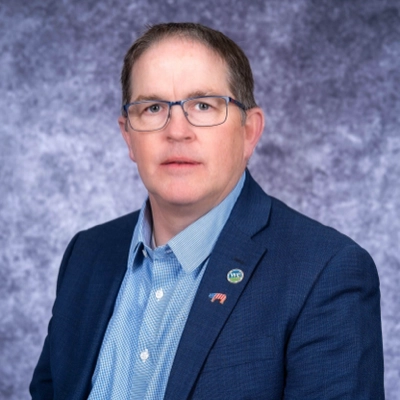
Brandon Schafer, Minnesota Producer
What needs to happen to strengthen transportation biosecurity across the pork industry?
The first step is understanding transportation analytics, and NPB’s team has taken steps to meet that challenge. We’ve compiled current research, developed best practices and begun to understand what “good” might look like.
When we talk about washing, baking and throughput, we have to answer the question: What does clean mean? Some larger producers have taken it upon themselves to make improvements. Now the question is, how can we help smaller producers or those who haven’t started?
Ultimately, we need to preserve the health of pigs while they’re in transport and simultaneously protect our neighbors. Poor swine health creates a drain on staff and the industry, and that’s something we need to improve.
Site Health Status Sharing
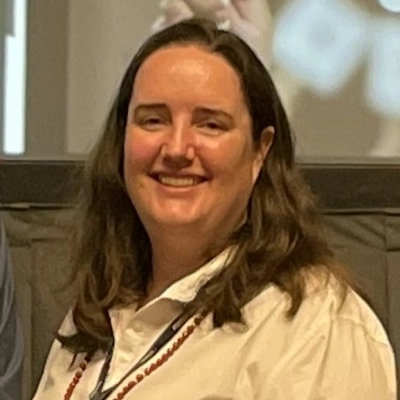
Kathleen O’Hara, USDA APHIS
How is U.S. SHIP growing, and what role do producers play in shaping where it goes next?
The U.S. Swine Health Improvement Plan (U.S. SHIP) is currently administered as a pilot program through USDA’s Animal and Plant Health Inspection Service (APHIS), with rulemaking underway to formalize it as an official program. Today, participants can achieve African swine fever (ASF)-Classical swine fever (CSF) Monitored and Porcine Epidemic Diarrhea Virus (PEDV) Clean certifications.
Participation continues to grow, with more than 11,000 certified premises across 38 states. In just a handful of years, U.S. SHIP has gone from an idea to a tangible initiative with broad participation and support across the swine industry.
Producers are the backbone of U.S. SHIP. The program is designed to evolve based on producer needs and priorities. Producers and other industry stakeholders can bring forward ideas through U.S. SHIP working groups or by connecting with Official State Agencies, state pork associations, national industry groups or the APHIS U.S. SHIP administrative team. Aligning U.S. SHIP with the National Swine Health Strategy also creates a more coordinated approach to improving the health of the national swine herd.
That producer involvement will be on display at the 2026 U.S. SHIP House of Delegates meeting, Sept. 9-11 in Bloomington, Minnesota. More than 300 attendees are expected, and program participants have brought forward 17 resolutions and standards proposing updates and new initiatives for delegates to consider.


